From Collective Bargaining to Collective Begging: Namibia’s Supreme Court Undermines the Right to Strike
Nixon Marcus reflects on Shoprite workers, collective bargaining, and Namibia’s right to strike.
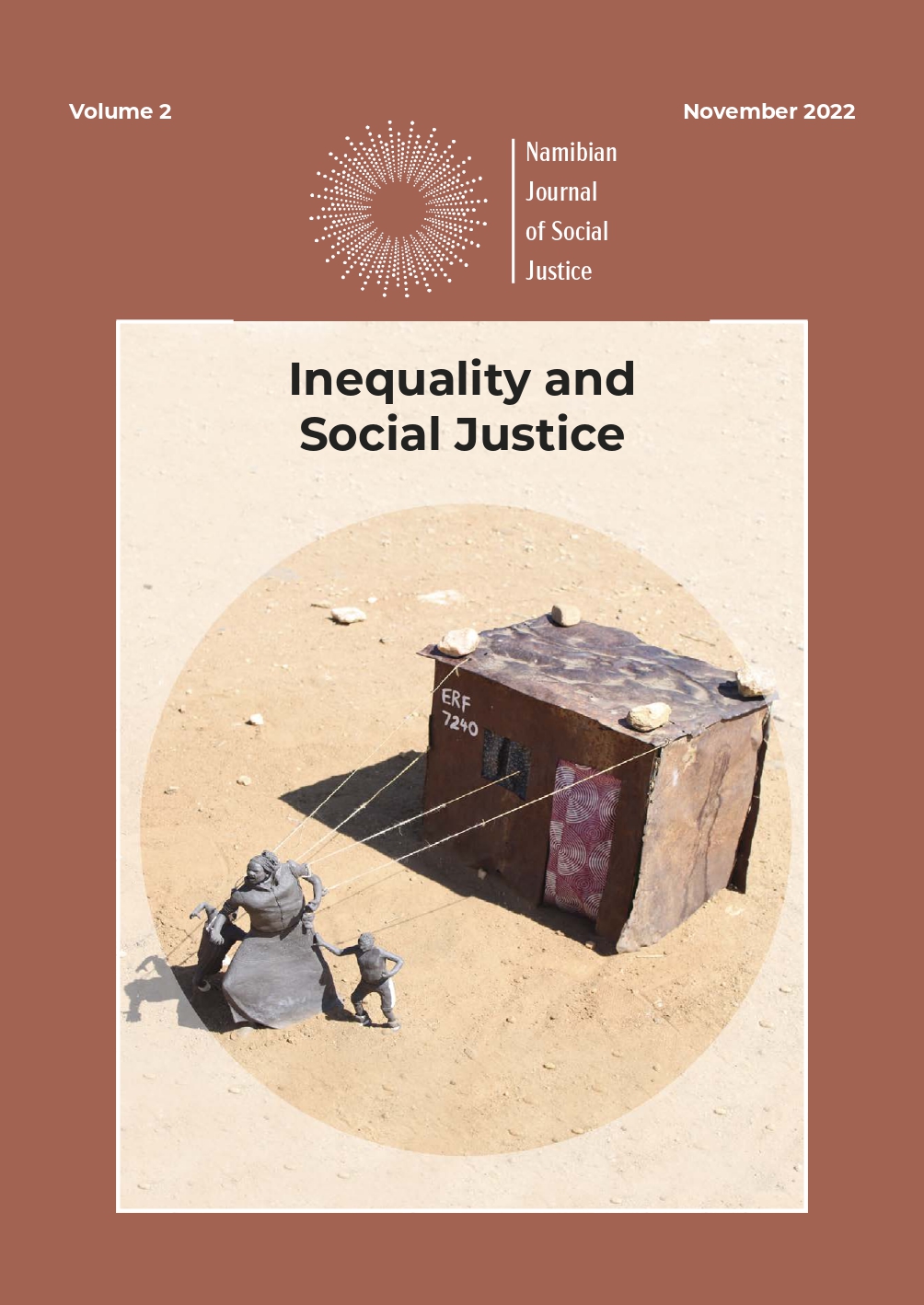
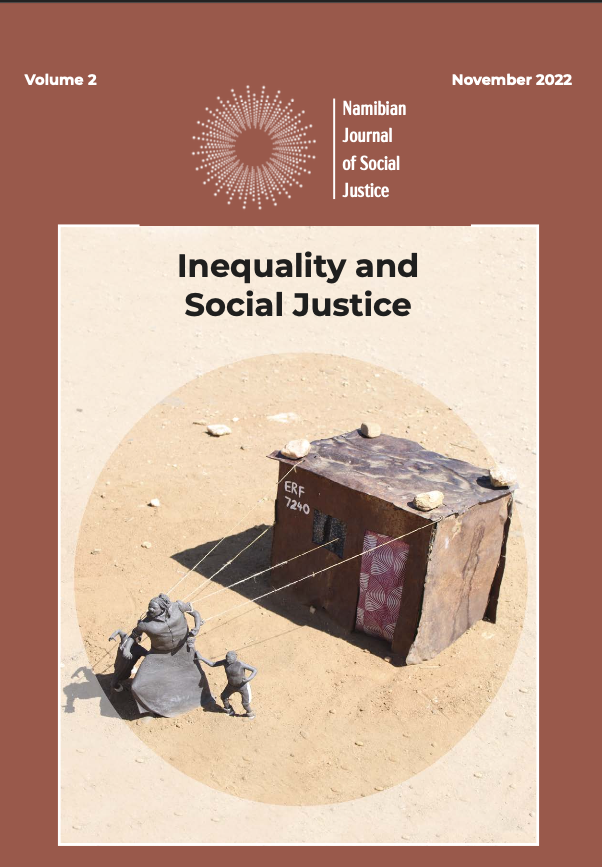
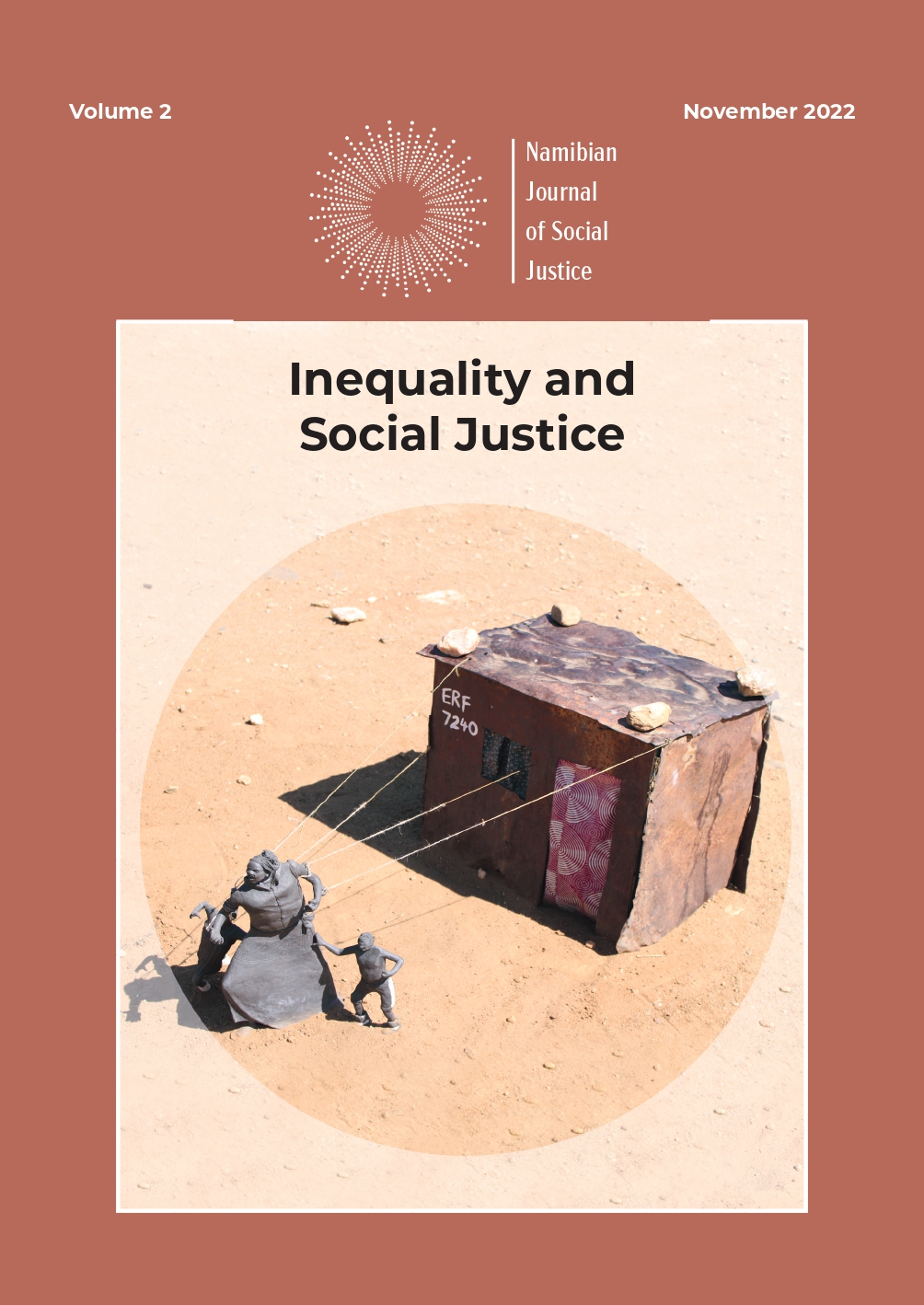
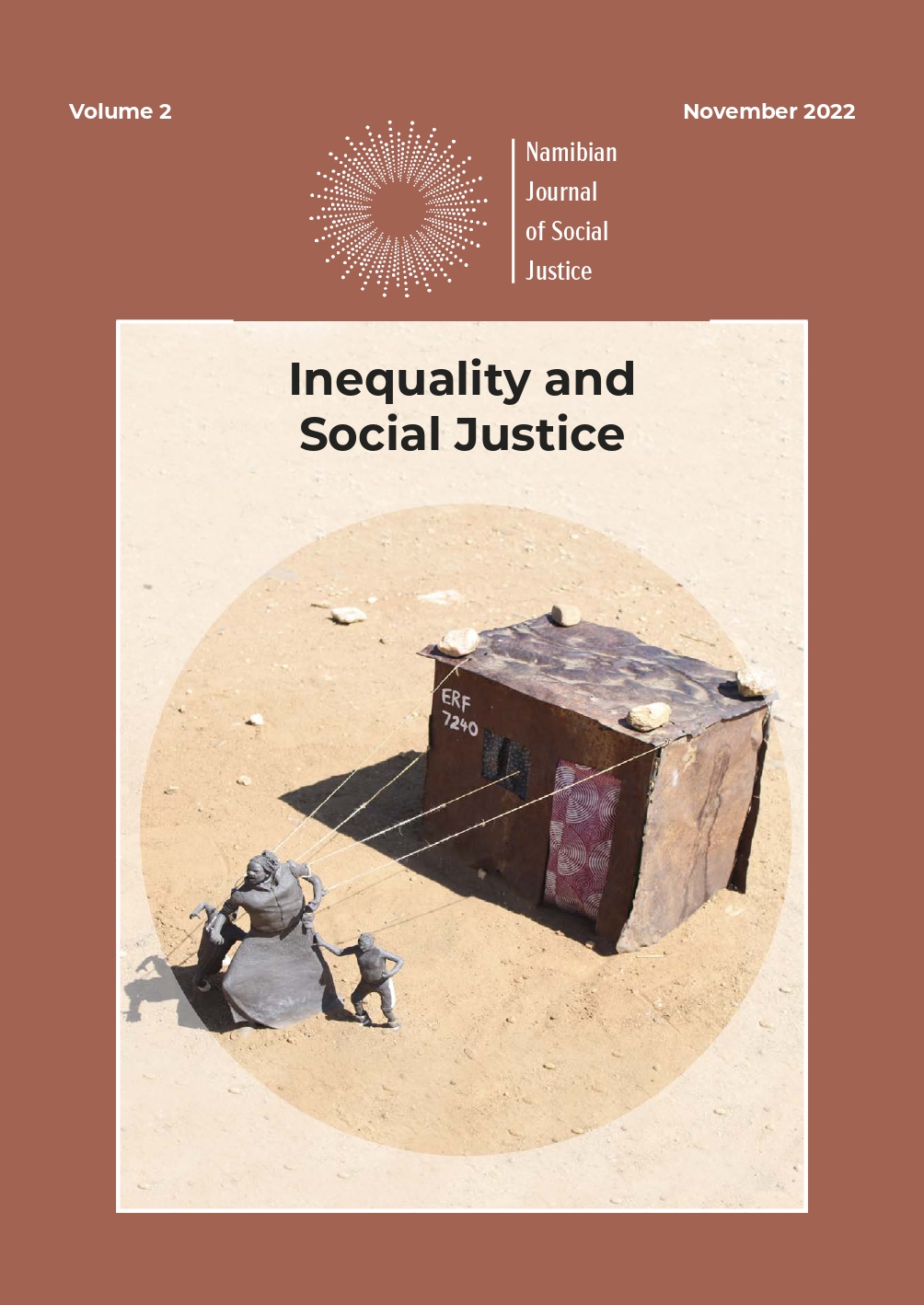
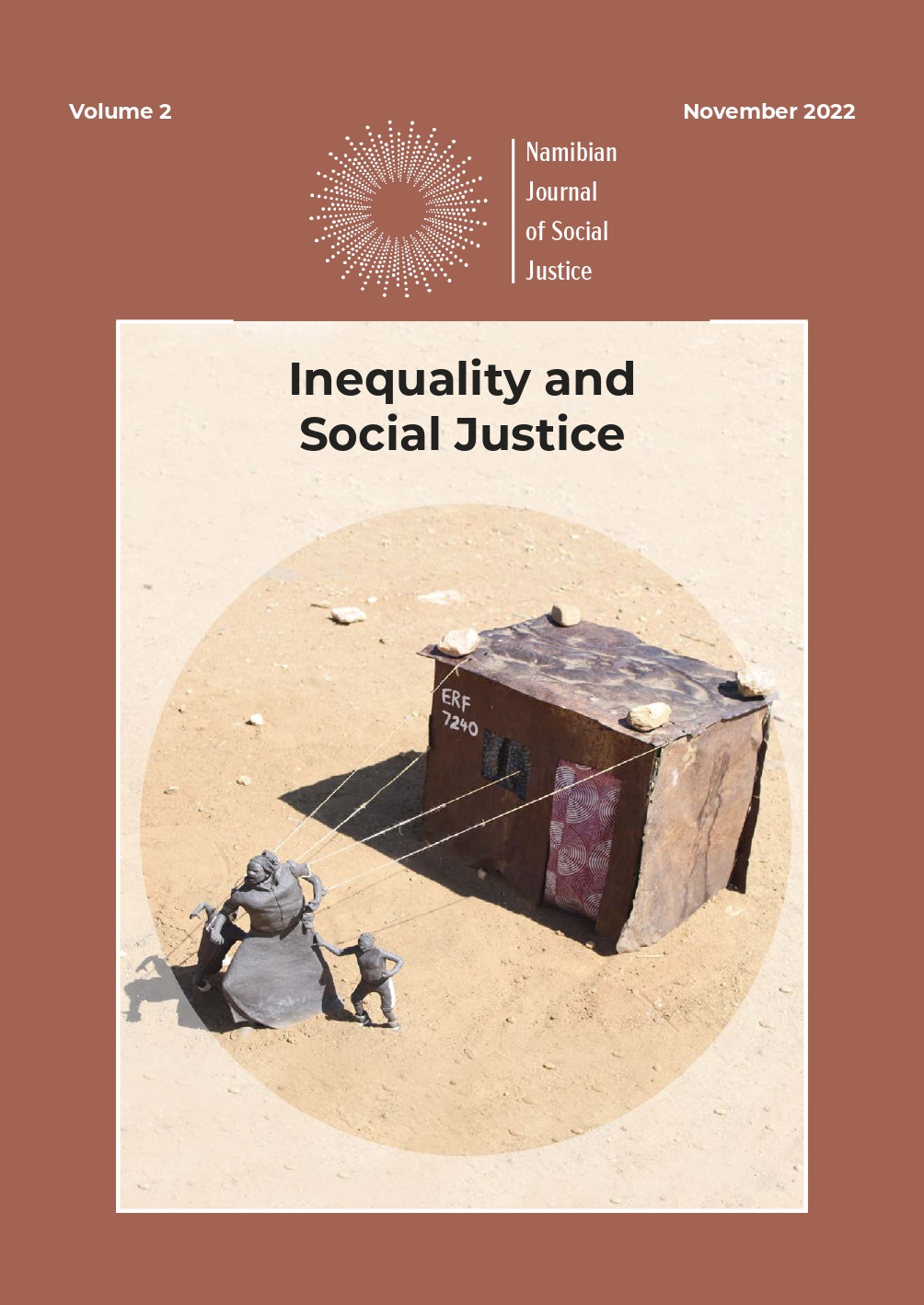
Inequality and Social Justice
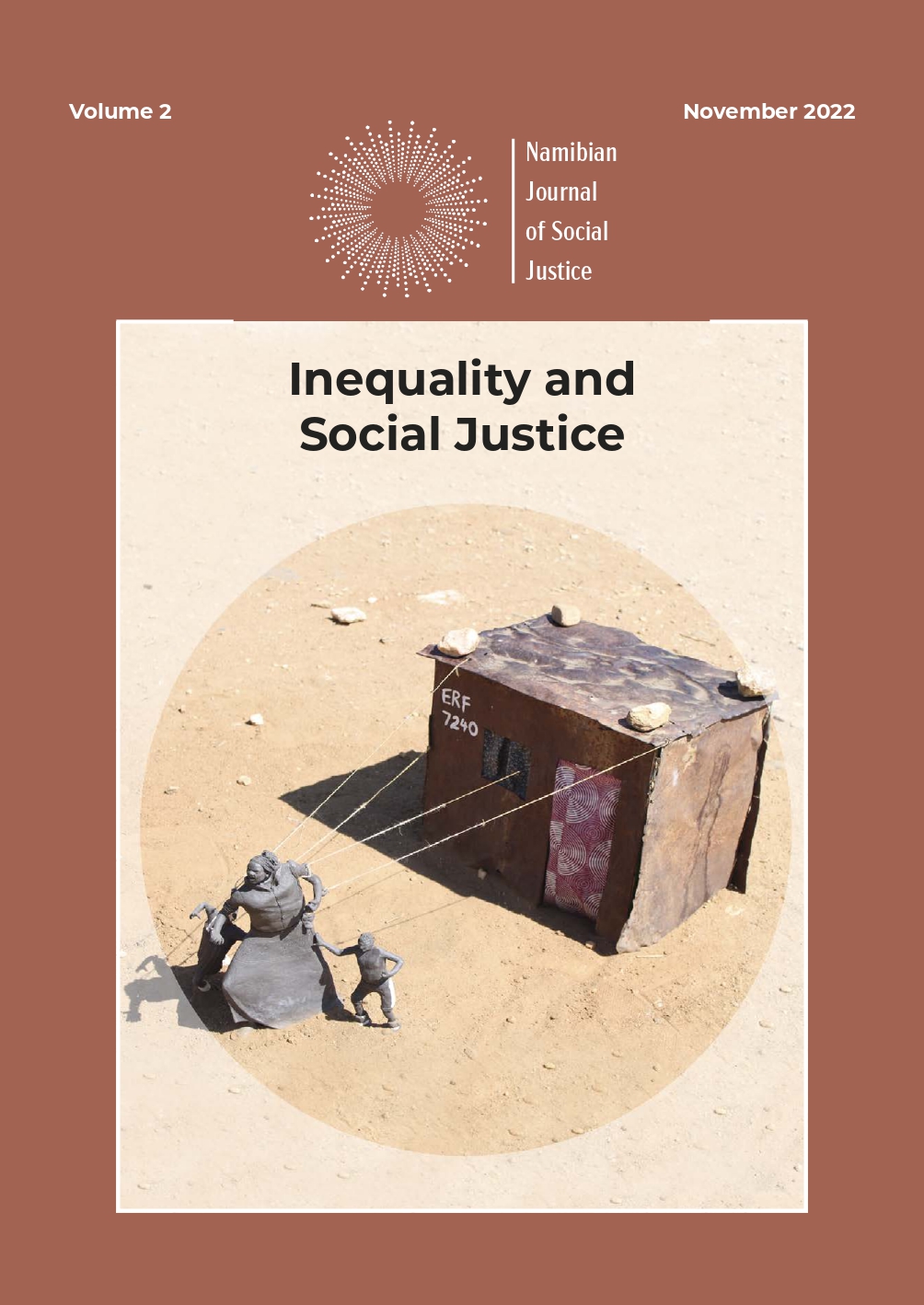
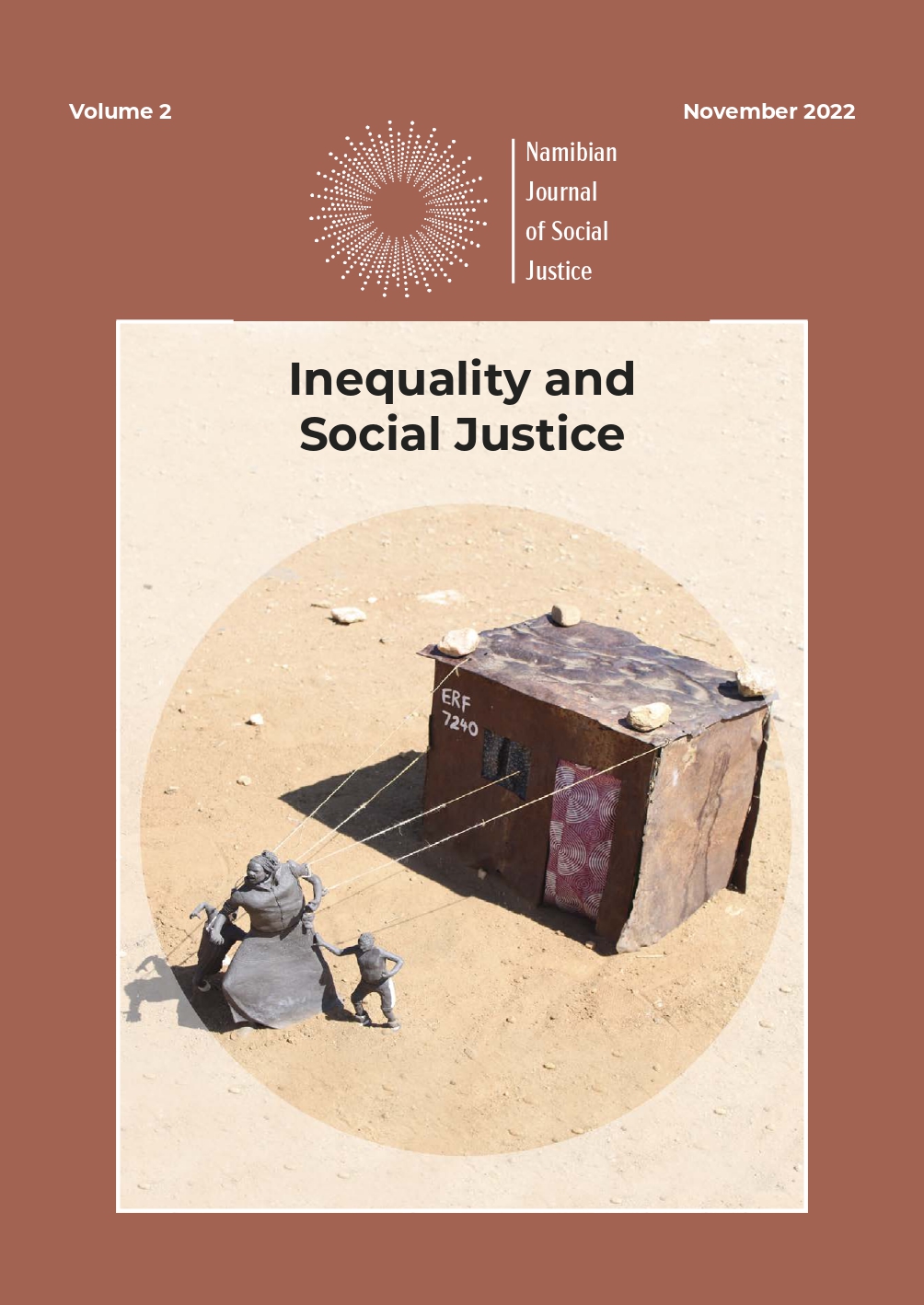
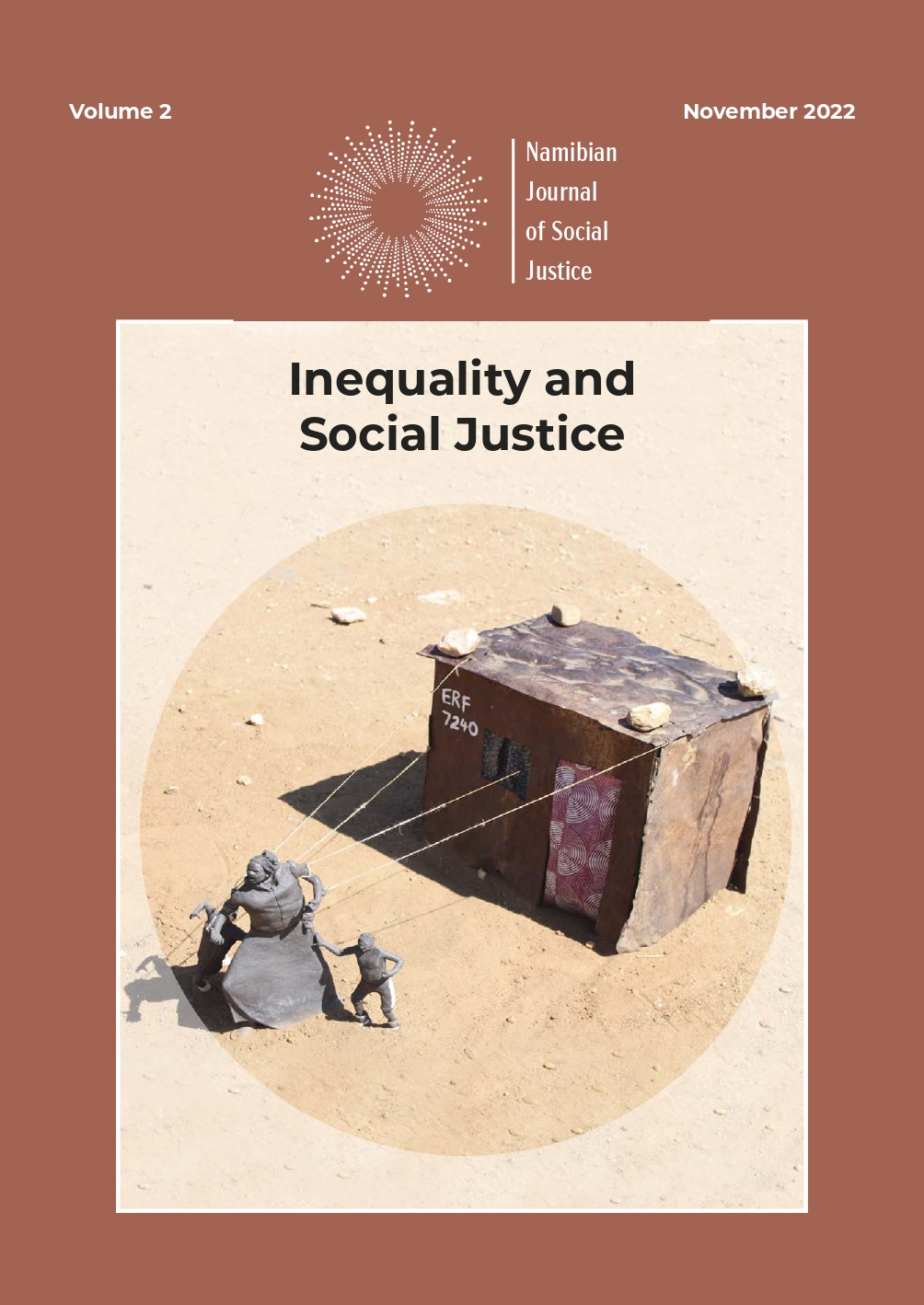
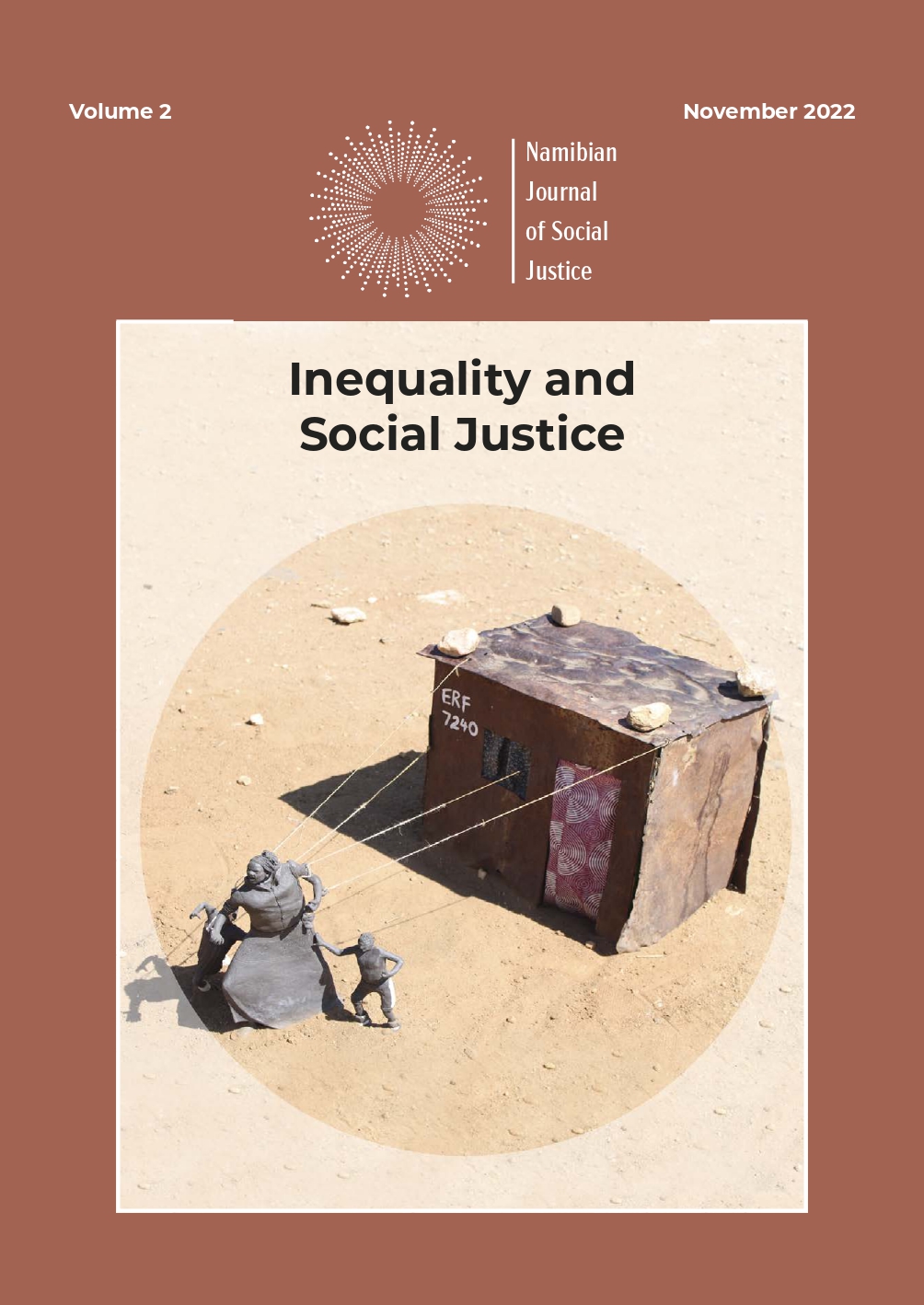
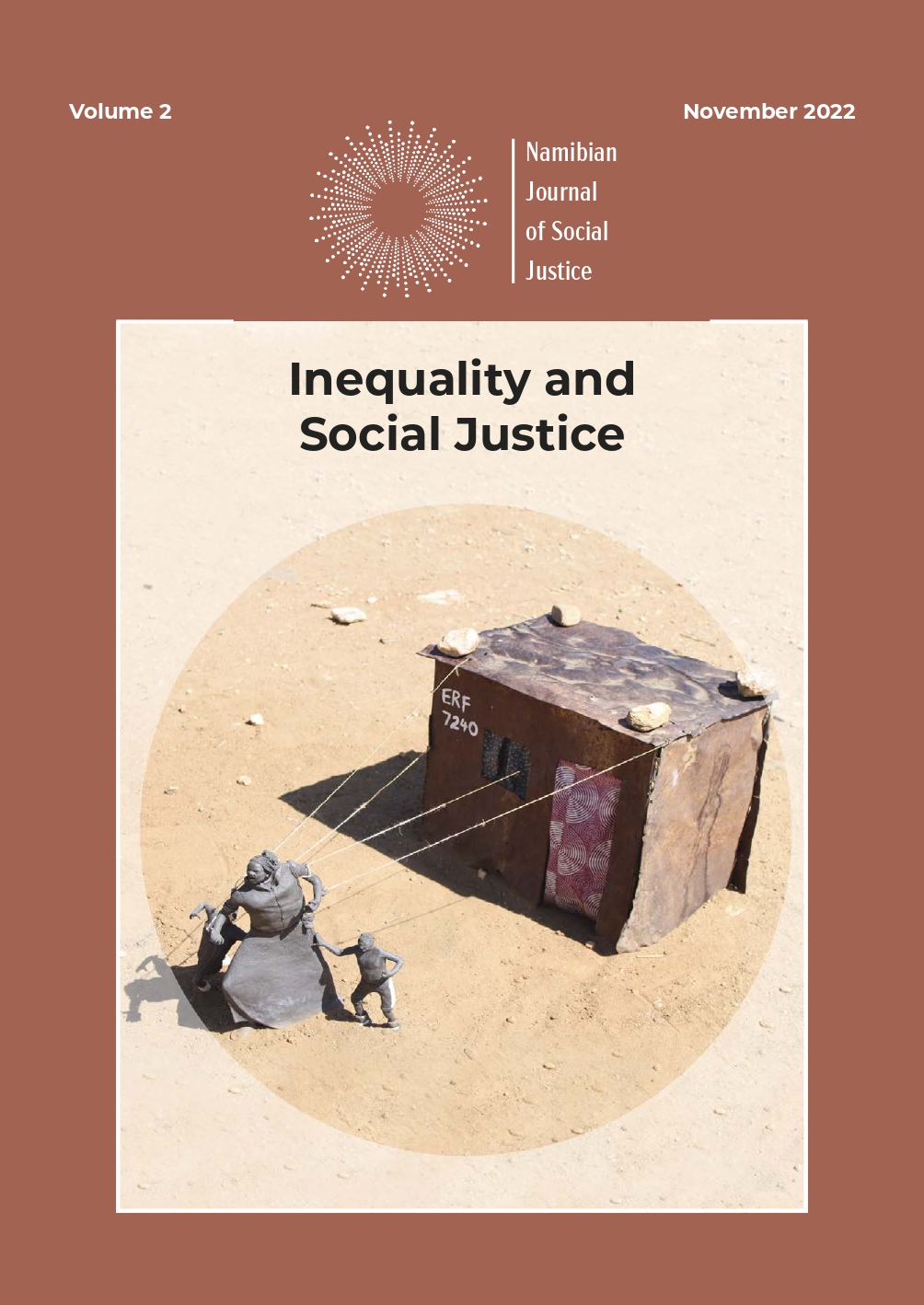
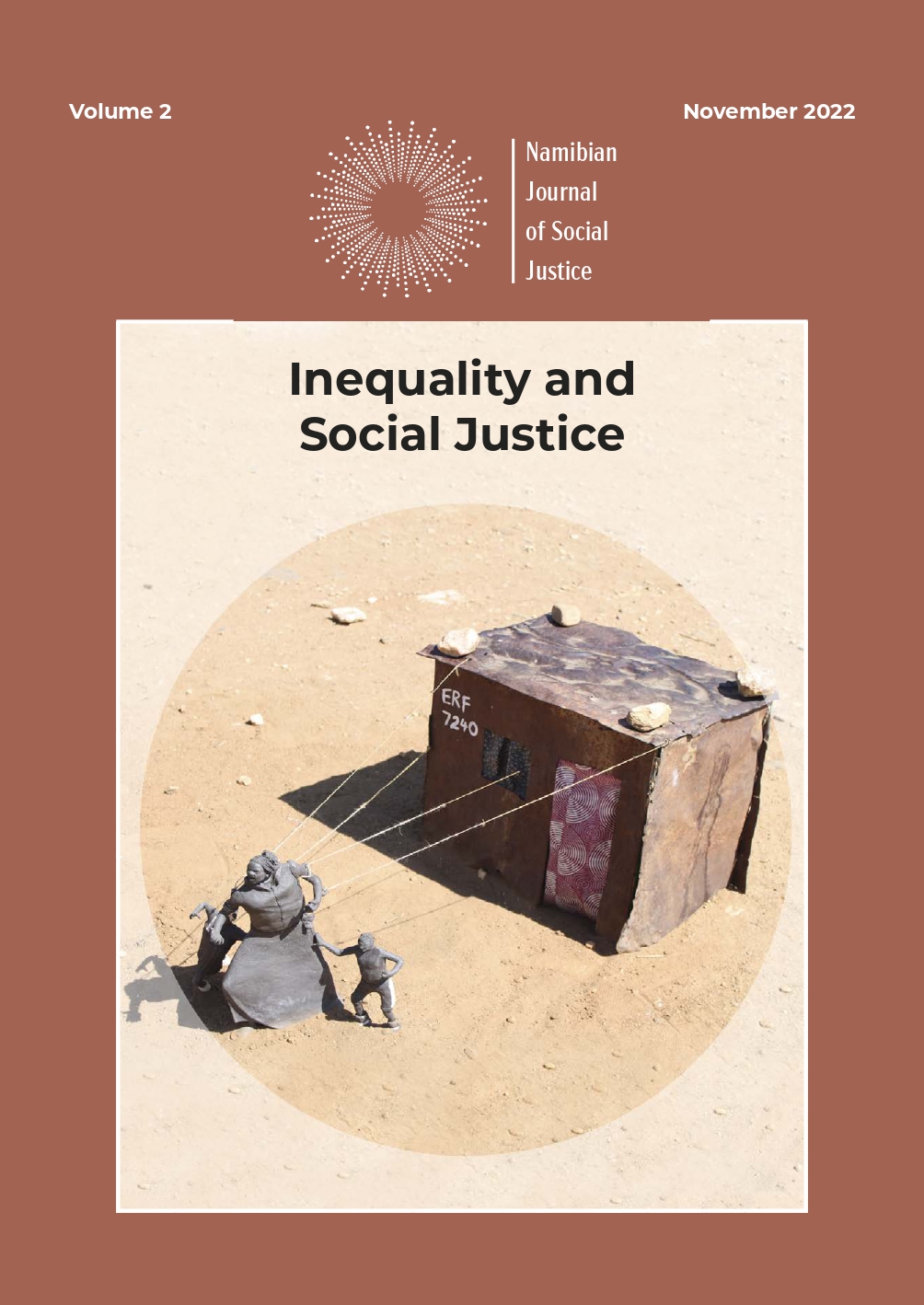
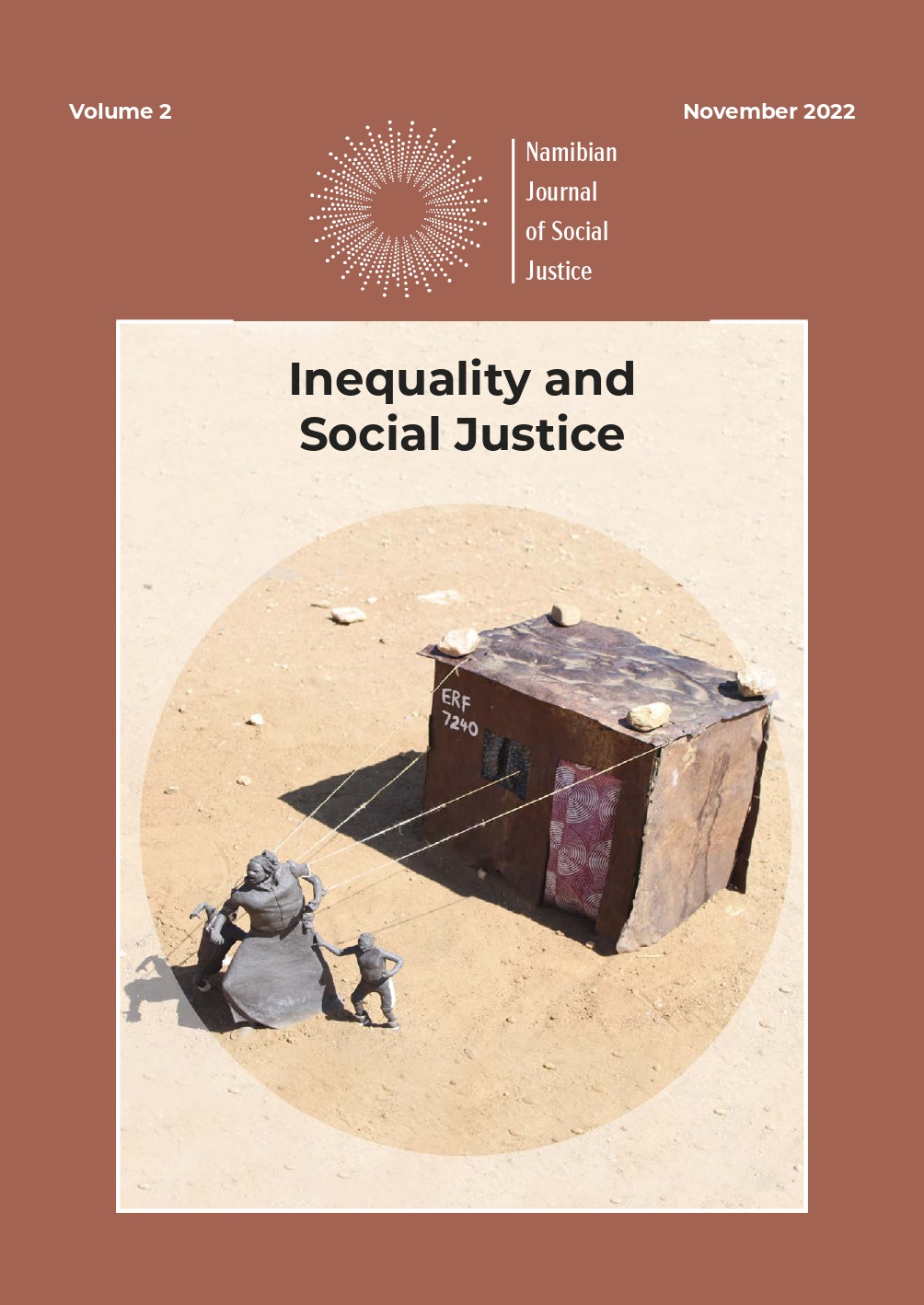
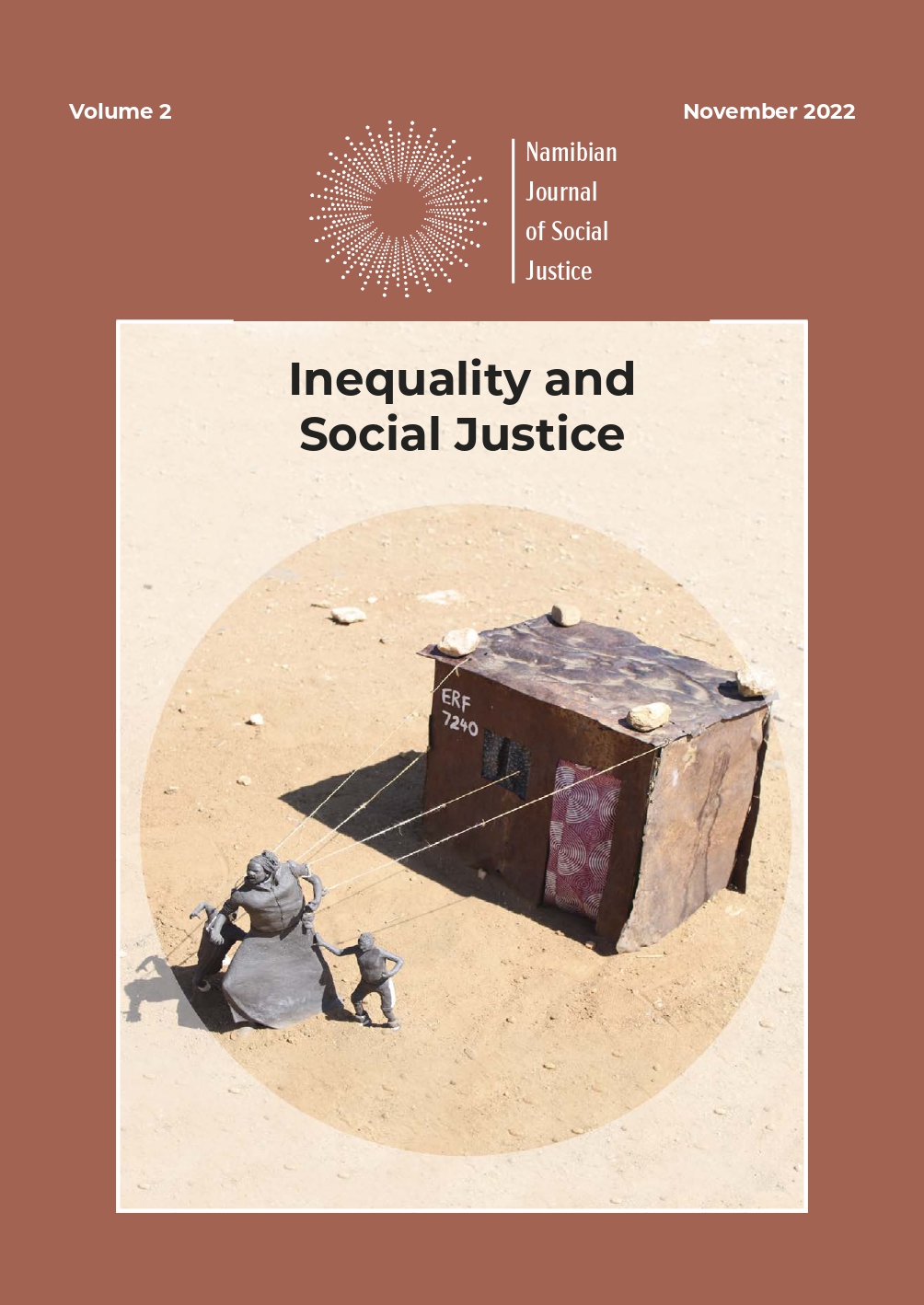
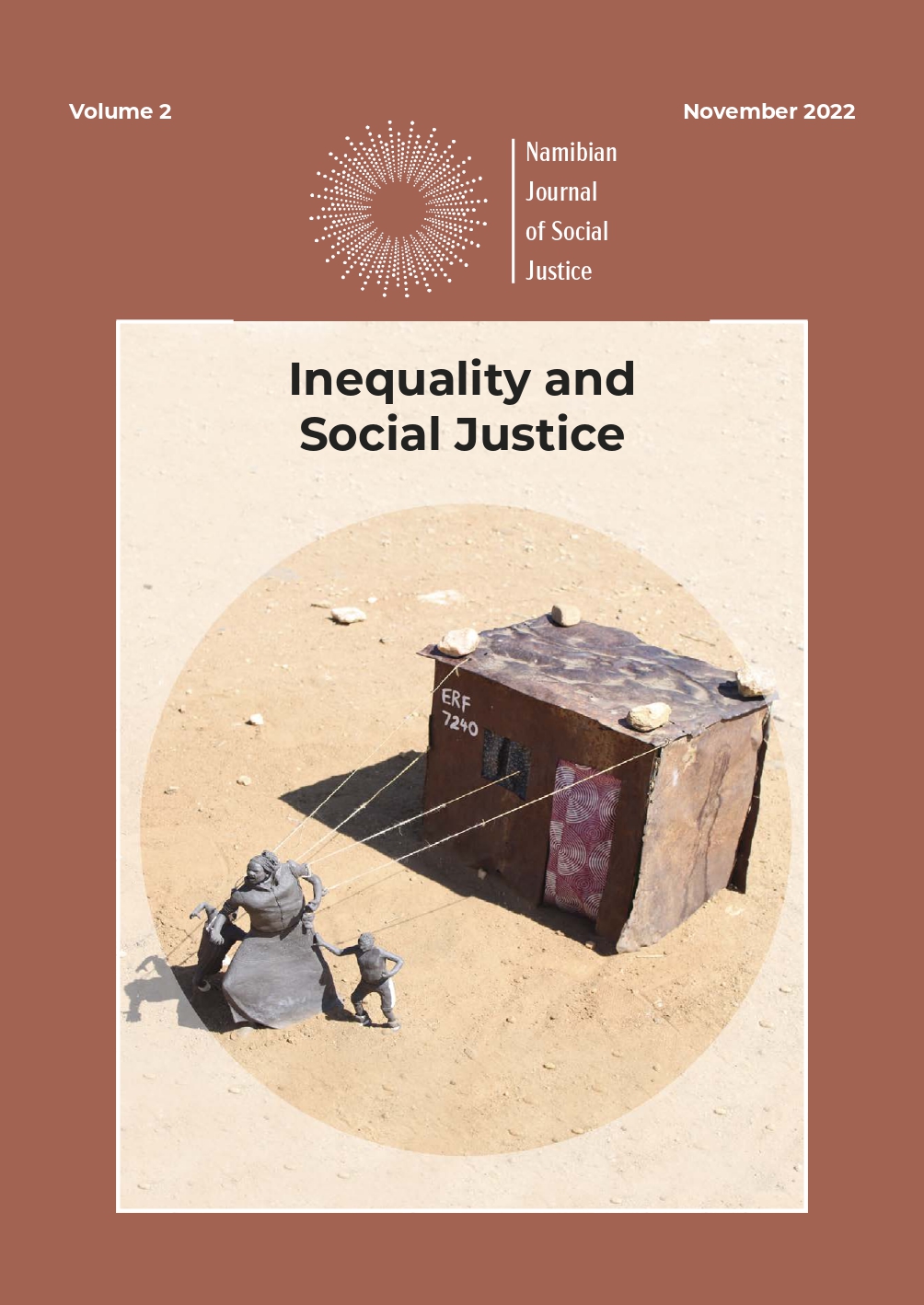
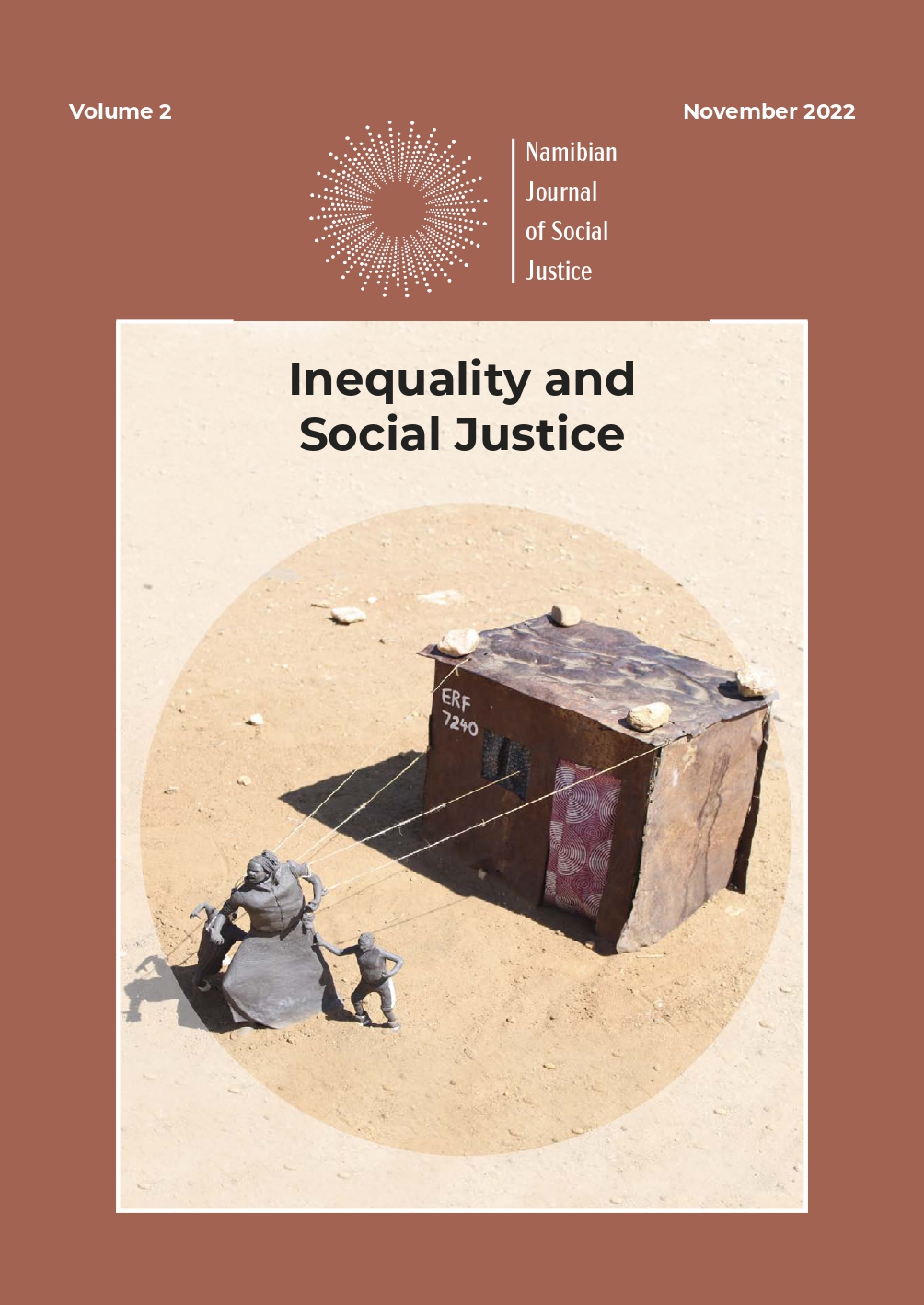
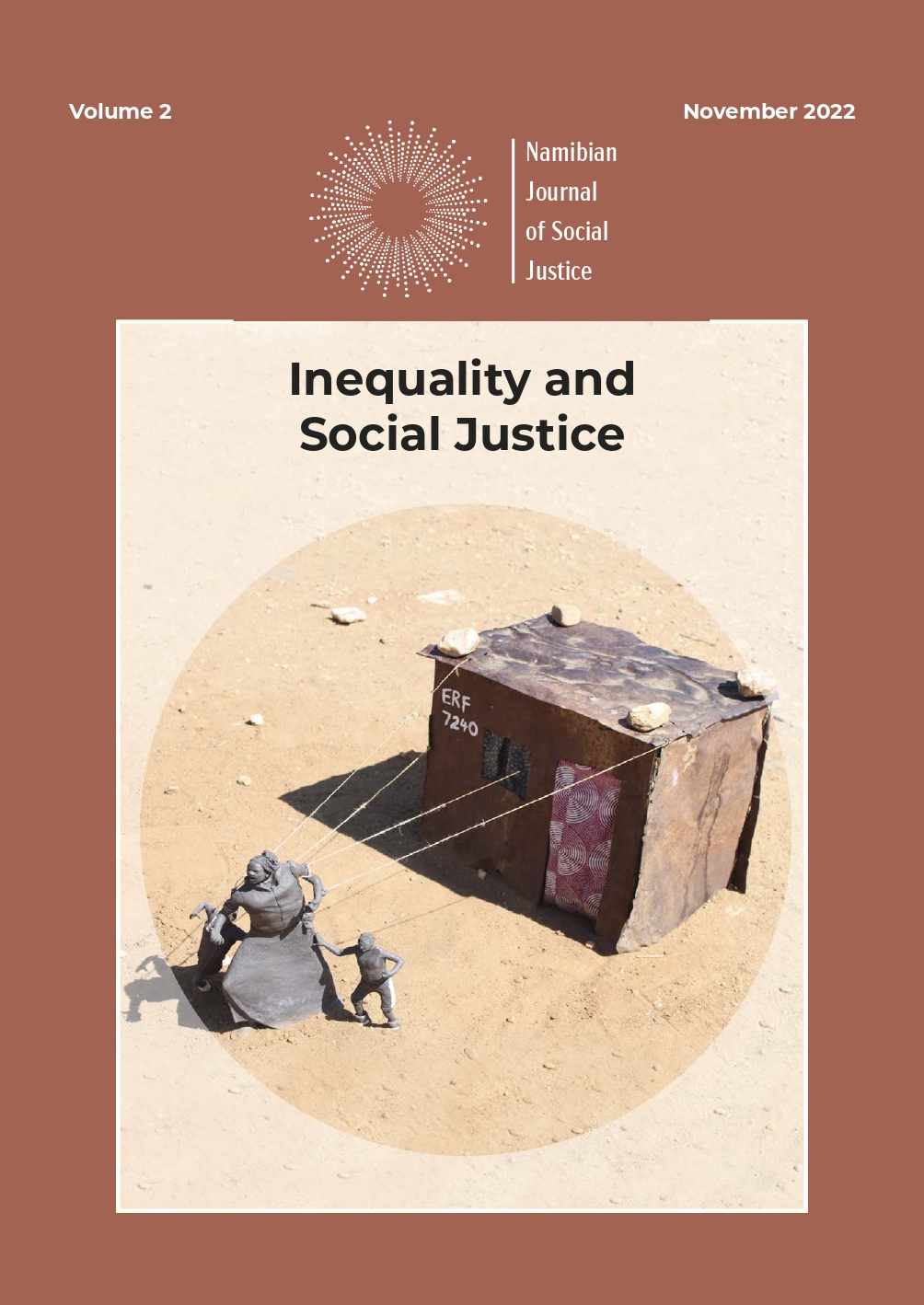
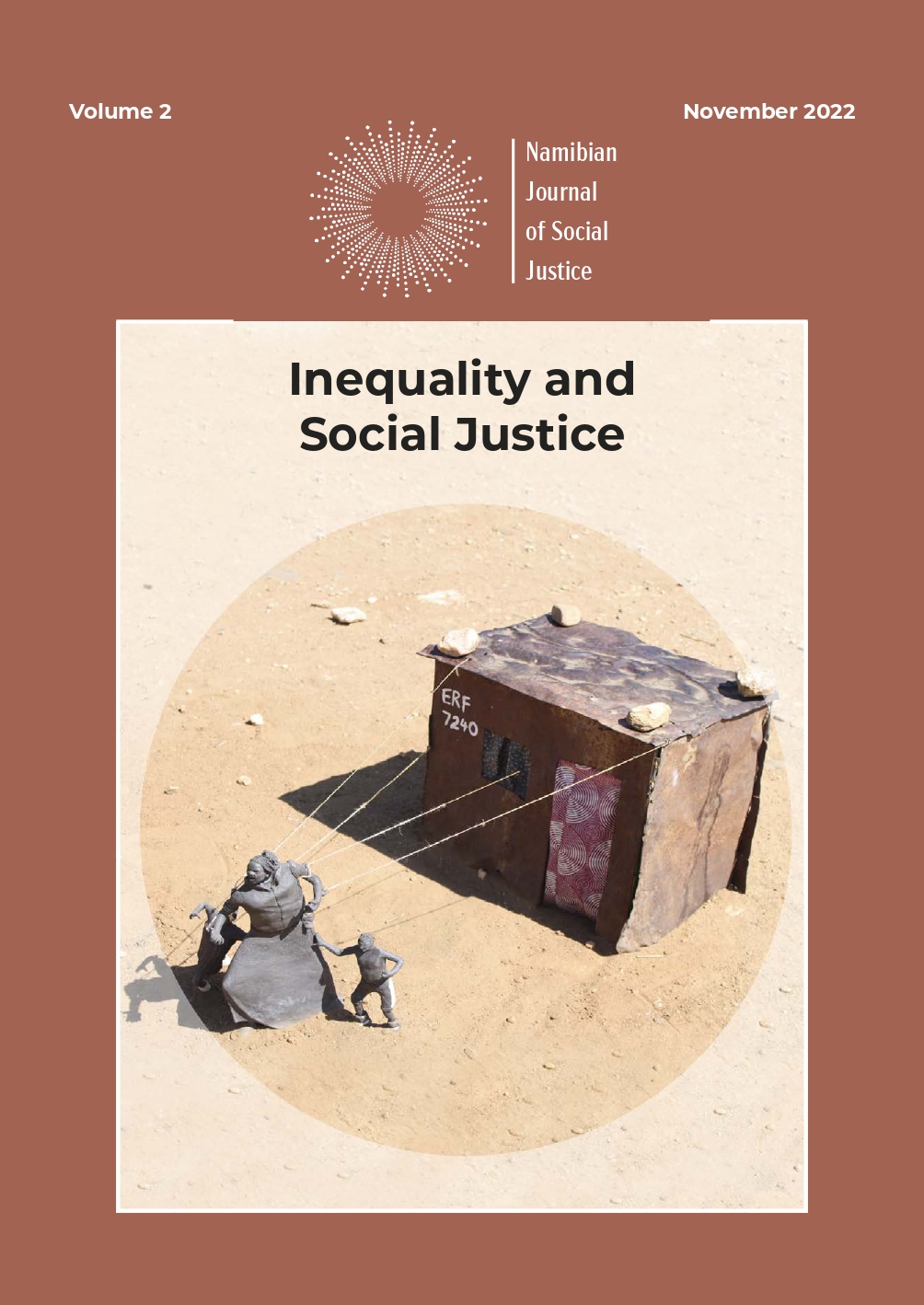
This edition grapples with Namibia?s urgent social justice question: inequality. It examines marginalisation, exclusion, the inequality-adjusted HDI, and the structures that reproduce profound income and social inequality.
Nixon Marcus reflects on Shoprite workers, collective bargaining, and Namibia’s right to strike.
Helen Vale examines autocracy, inequality, protest, and repression in Eswatini.
Nkululeko Majozi examines basic income support and lessons from India, Kenya, and Namibia.
A legal and social justice analysis of the Tsumib judgments and ancestral land rights in Namibia.
Ellen Albertz presents a southern Namibia case study of agricultural cooperatives and farm worker ownership.
Ellison Tjirera presents a case study on land inequality, elite capture, and policy inadequacies in Namibia.
Emma N. Nangolo examines the church’s role, prophetic voice, advocacy, and social justice in contemporary Namibia.
Basilius M. Kasera examines social justice, religion, ethics, and the tangible conditions of human flourishing.
An analysis of gender-responsive budgeting, gender equality, women’s empowerment, and public expenditure in Namibia.
Ndeshi Namupala and Nashilongweshipwe Mushaandja defend Christine Mboma and Beatrice Masilingi through a feminist critique of sport regulation.
Rob Parker and Rinaani Musutua examine oil and gas exploration, dispossession, and extractivism in Kavango.
Bruno Venditto, Ndumba J. Kamwanyah, and Christian Nekare examine COVID-19 as a syndemic shaped by social inequality.
Blessing Chiripanhura examines poverty, inequality, unemployment, and the implications of the COVID-19 pandemic.
An analysis of education reform, Grade 12 outcomes, regional inequity, and economic development in Namibia.
Volume 2 front matter, acknowledgements, acronyms, and editorial introduction.
Jaco Oelofsen examines illicit financial flows, profit shifting, labour, and inequality in the Samancor Chrome case.
Introductory statement on inequality, social justice, counter-hegemonic thinking, and the purpose of the journal.